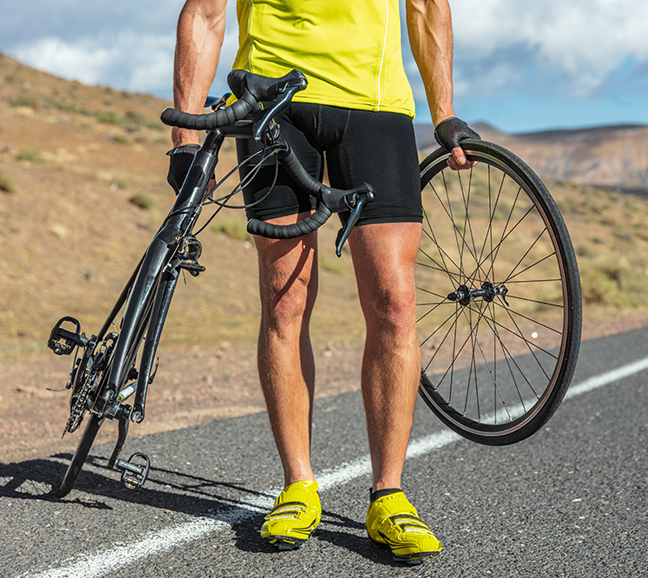

Fat biking on snow: How to begin your winter cycling adventure
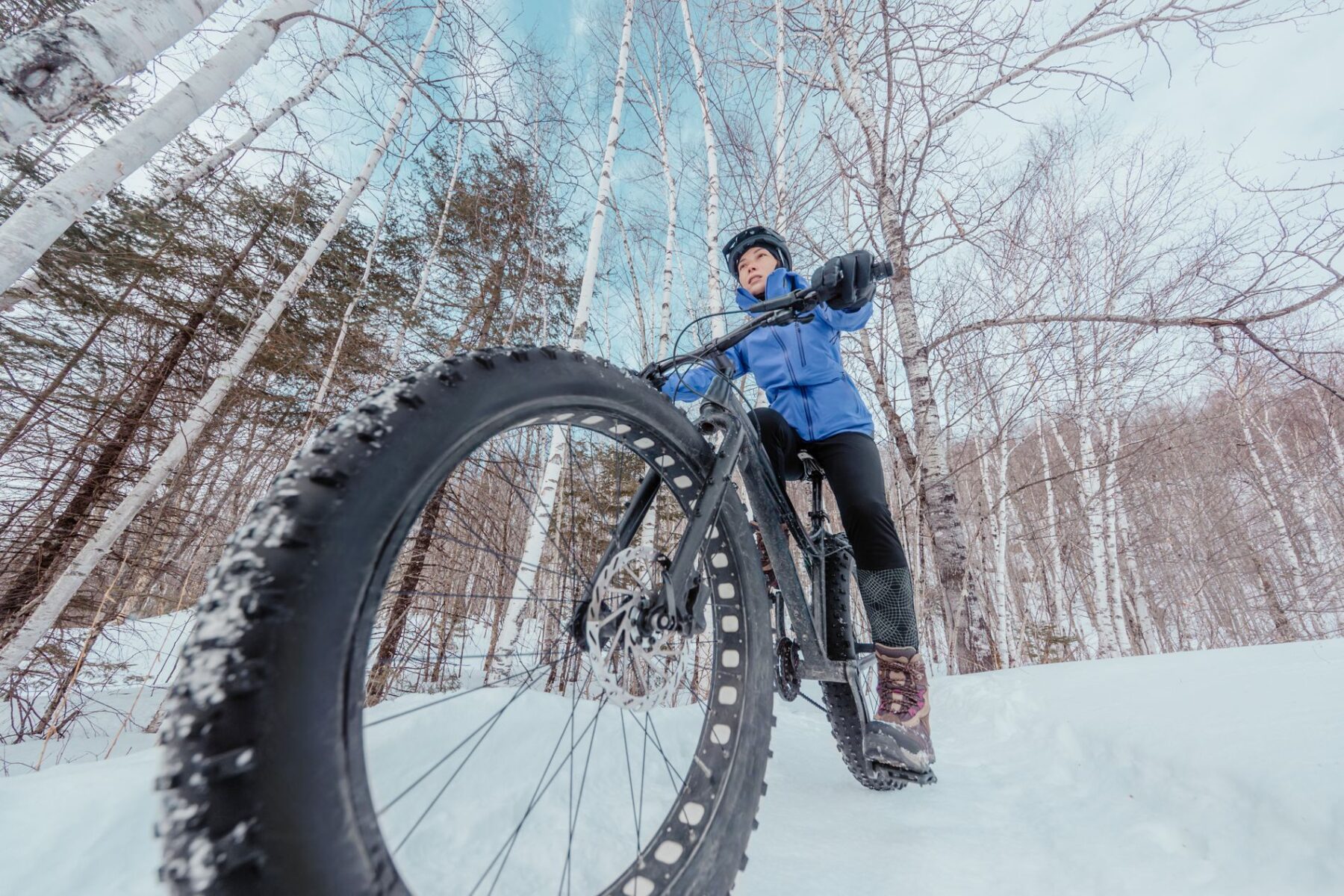
Winter doesn’t have to mean going into hibernation mode for cycling enthusiasts. In fact, this is the perfect time to embark on a whole new cycling adventure – fat biking on snow. It’s an exhilarating activity that allows you to enjoy the beauty of the winter scenery while maintaining your physical fitness. In this article, you will learn how to start your fat biking on snow adventure and what you need to know to safely and effectively hit the trails.
Get to know your bike
The first step in starting your winter adventure on a fat bike is getting to know your bike. A fat bike is a specialized type of mountain bike designed for challenging terrain, including snow. Its most distinctive feature is its wide tires, which provide better traction and stability on soft surfaces. Ensure that your fat bike is in good technical condition and suitable for winter excursions.
Choose the right trail
Fat biking on snow can be done on various types of trails, from frozen lakes to forest paths. For beginners, it’s advisable to start with easier and well-maintained trails to get accustomed to the new equipment and winter conditions. Keep in mind that snow biking can be demanding, so adjust your route according to your skill level and fitness.
Prepare properly
Before heading out on your fat bike on snow, proper preparation is essential. This includes wearing warm, layered clothing to ensure thermal comfort. Head and hand protection is also crucial – make sure to have a warm hat and gloves. Additionally, don’t forget about lighting since daylight hours are shorter, and dusk sets in quickly.
Snow biking techniques
Snow biking differs from traditional cycling. It’s essential to learn some basic techniques to maintain balance and control your bike on slippery terrain. Examples include downhill descents, navigating turns, and braking. These skills will improve with practice.
Safety and awareness
Safety is paramount when fat biking on snow. Always wear a helmet and prioritize visibility – equip your bike with reflectors and lights. Inform someone about your biking plans and route, and carry a mobile phone in case of emergencies. Winter cycling can be exceptionally beautiful but also challenging, so being prepared for unexpected situations is essential.
Enjoy the adventure!
The last, but equally important point is to enjoy the adventure. Fatbiking in the snow is not only a form of physical activity, but also an opportunity to discover the beauty of winter nature and experience unforgettable moments in the fresh air. Plan your trips so that you have time to stop and park your bike at the bike rack, and admire the surrounding landscape.
In conclusion, fat biking on snow is a captivating winter activity that can bring joy and satisfaction. Remember to make adequate preparations, master the necessary biking techniques, and prioritize safety to fully enjoy every moment on the trail.